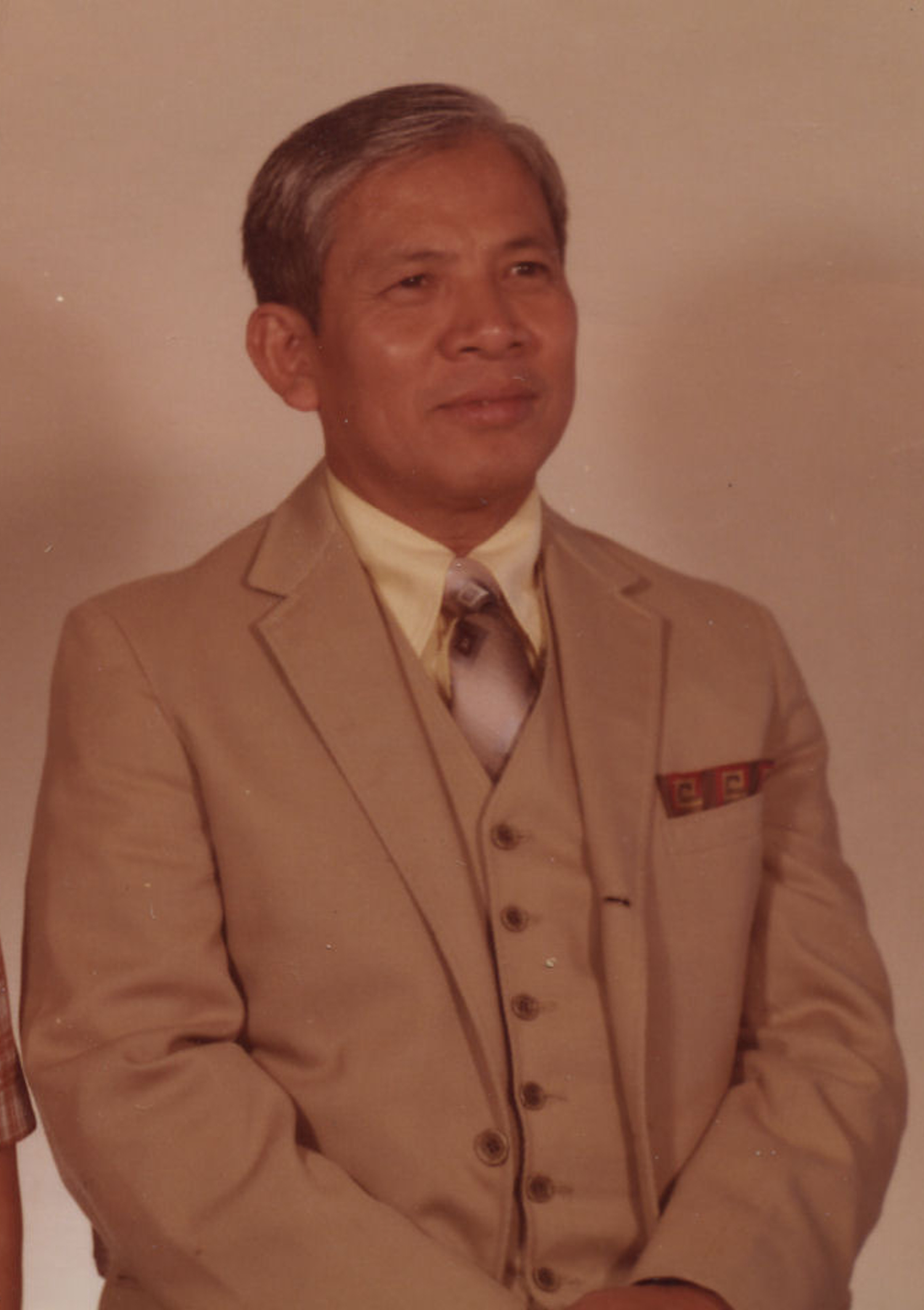

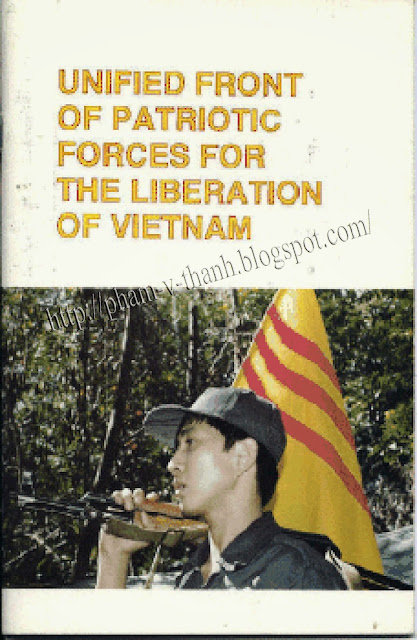
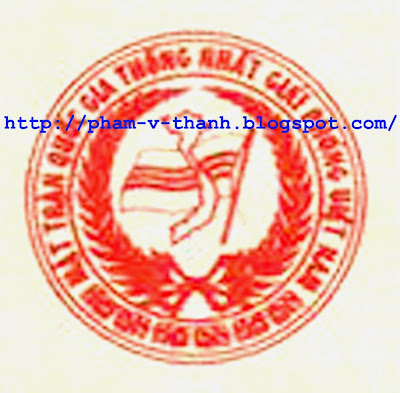
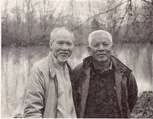
In the late 1970s and 1980s, Colonel Phạm Văn Liễu played a pivotal leadership role in organizing overseas South Vietnamese diaspora political and paramilitary anti-communist resistance efforts "Unified Front of Patriotic Forces for the Liberation of Vietnam".
1. Co-Founding and Organizational Engine
Architect of Diaspora Mobilization: While Vice Admiral Hoàng Cơ Minh served as the primary military commander in the field, Col. Phạm Văn Liễu was the primary political and organizational strategist.
Global Network: As General Secretary / Overseas Director of Operations, Col. Liễu mobilized support, raised funds, and recruited volunteers across Vietnamese refugee communities in the United States, France, Australia, and Japan.
2. High Point of Community Support
The timeline details how the movement became the largest and most influential anti-communist resistance organization in the post-1975 diaspora.
Col. Liễu’s involvement gave the organization institutional credibility among former Republic of Vietnam (ARVN) military officers, civil servants, and community leaders.
3. Factional Split and Ideological Rift (1984–1985)
Strategy vs. Militarism: The timeline documents the severe internal crisis that split Mặt Trận in the mid-1980s. Col. Liễu advocated for political, diplomatic, and civic action, whereas Hoàng Cơ Minh's faction emphasized strict military secrecy, armed cross-border incursions (Đông Tiến), and autocratic control.
Historical Schism: The departure of Col. Phạm Văn Liễu, along with figures like Phạm Ngọc Lũy and Trần Minh Công, marked a permanent fracture. It eroded public trust within the diaspora and shifted the remaining organization under Adm. Minh into what eventually became the political party Việt Tân.
Timeline (Vietnamese)

Janet Ogden
"Great heroism was shown by these men, alongside every service member who fought and those who gave their lives in defense of freedom and democracy in Southeast Asia."
Reply
Pamela Meyer
"Legends in the Vietnam Conflict, these men are true heroes of the Vietnam War—honoring all who served, fought, and gave the ultimate sacrifice for the cause of freedom and democracy in Southeast Asia."
Reply
Chintana Patel
Great people of the Vietnam War.
Reply
Jean Doe
In the Vietnam War - South Korea, Australia, and U.S.A. provided troops (boots on the ground) in Vietnam.
Reply
Ben Afflick
USA - 58,220 Fatalities - Includes 47,434 combat/hostile deaths and 10,786 non-hostile deaths according to the U.S. Defense Casualty Analysis System (DCAS).
South Korea - 5,099 Fatalities - South Korea deployed over 300,000 personnel, representing the largest foreign contingent assisting South Vietnam and the U.S..
Australia - 521 Fatalities - Represents casualties among the ~60,000 Australian service personnel deployed between 1962 and 1975.
Reply
Jean Barry
Australia - 521 Fatalities - Represents casualties among the ~60,000 Australian service personnel deployed between 1962 and 1975. An estimated 130,000 to 141,000 refugees left South Vietnam during the initial exodus in 1975, which coincided with the collapse of the South Vietnamese government and the Fall of Saigon.
Reply