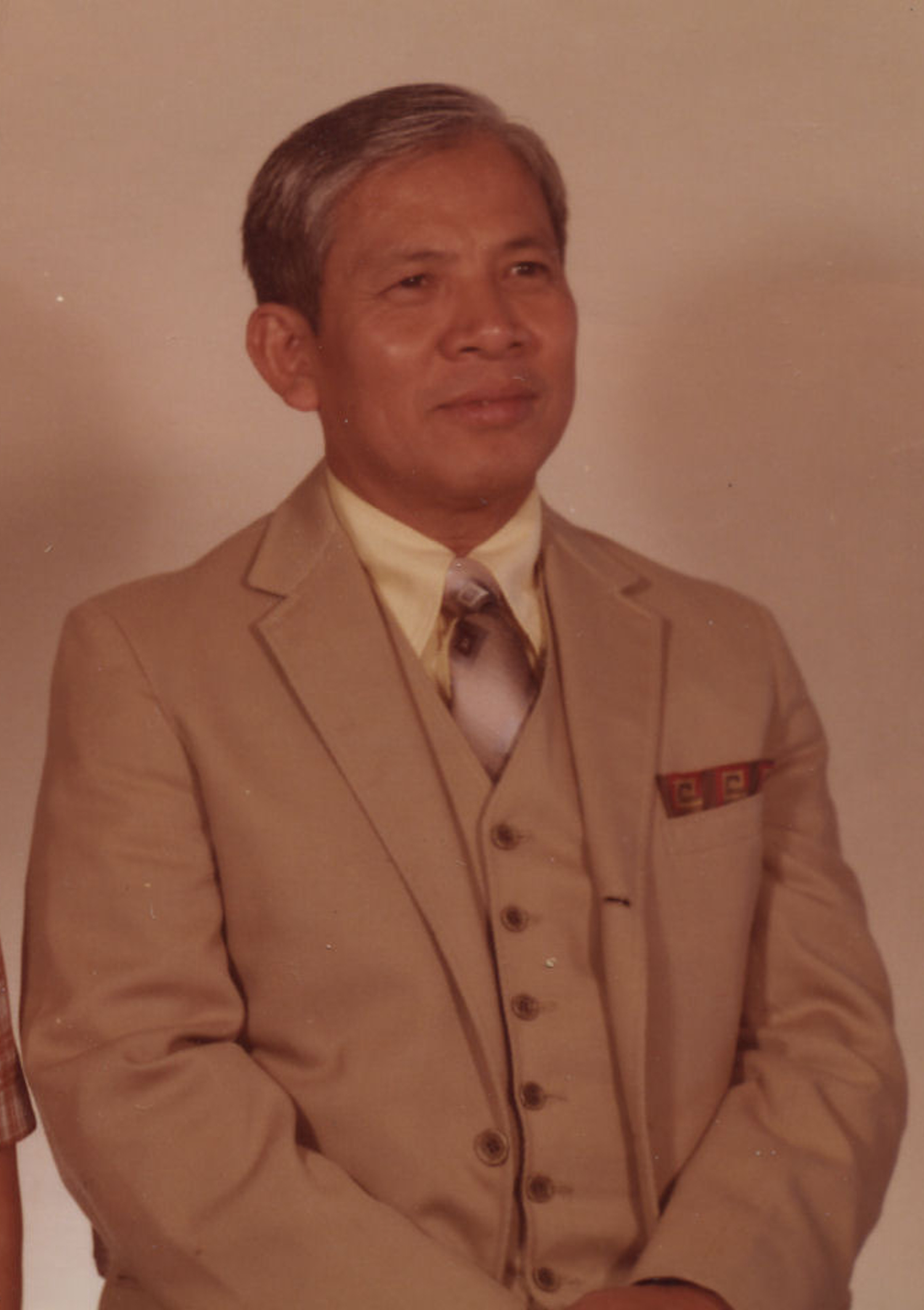

This document is a declassified CIA Intelligence Information Cable dated April 28, 1966, tracking high-level political factionalism, coup plotting, and leadership purges within the South Vietnamese government (Republic of Vietnam).
Historical Context
The 1966 Buddhist Crisis: Spring 1966 was one of the most volatile political periods in South Vietnam, marked by mass civil unrest, military mutinies in I Corps (Da Nang/Huế), and bitter rivalries between civilian groups, Buddhists, and the ruling military junta led by Prime Minister Nguyễn Cao Kỳ and Chief of State Nguyễn Văn Thiệu.
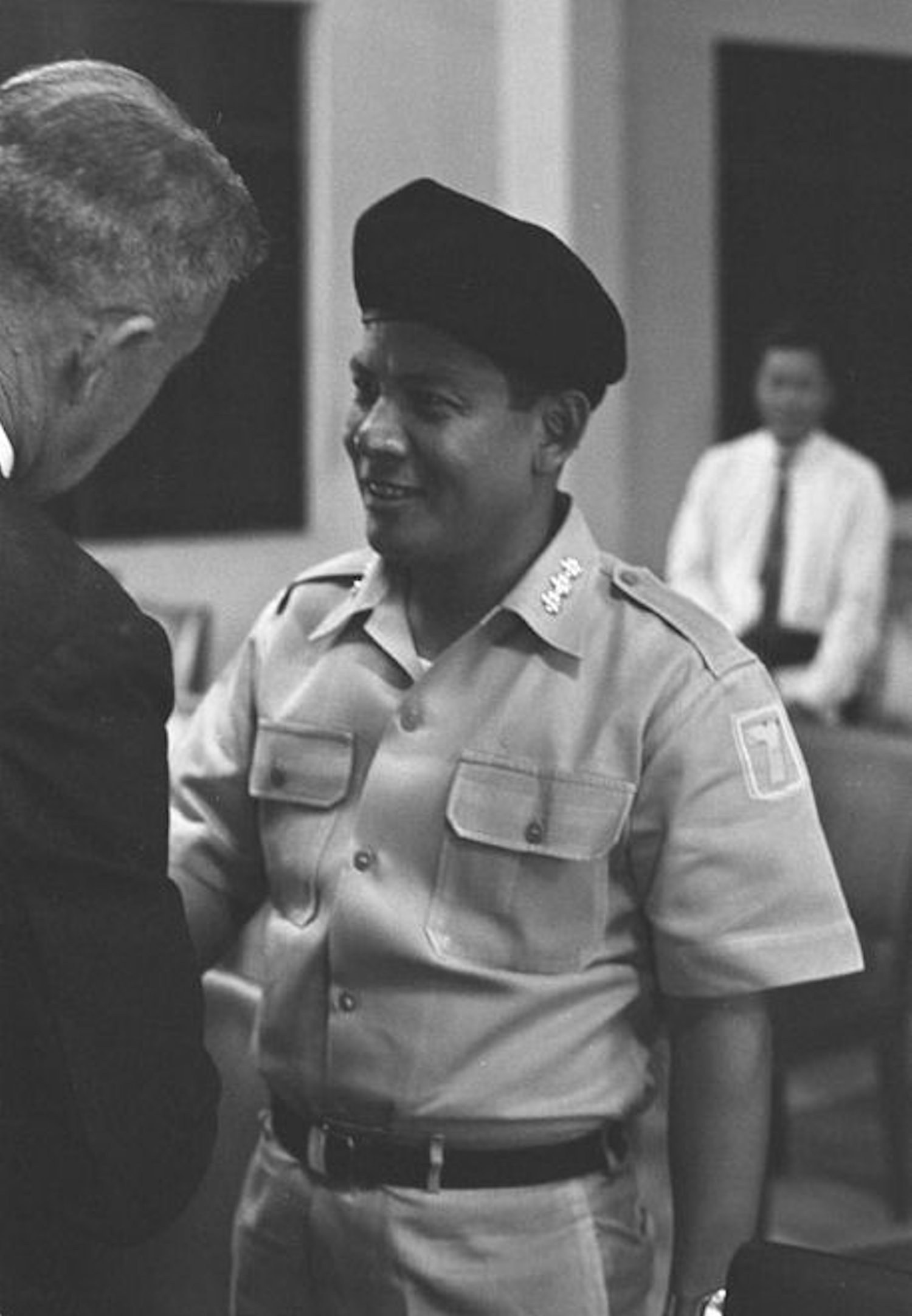
Transition of Police Power: At the time of this report, Colonel Phạm Văn Liễu was serving as the Director General of the National Police. However, Prime Minister Nguyễn Cao Kỳ moved to replace him with Colonel Nguyễn Ngọc Loan (later famous for the iconic 1968 Tet Offensive photograph) to consolidate control over the state security apparatus.
Key Details from the Report
Impending Power Shift: The CIA confirmed that Col. Phạm Văn Liễu was due to be replaced shortly by Col. Nguyễn Ngọc Loan as Chief of the National Police.
Potential Coup Activity (April 30 – May 2, 1966): The cable notes predictions that Col. Liễu and allied factions were considering exploiting upcoming May Day labor and Catholic demonstrations to trigger political changes or attempt a coup if sufficient military support could be rallied. It records that Col. Liễu had already set up propaganda plans targeting radio operations out of his National Police compound.
Purge Targets: The report outlines targeted military and civilian leaders expected to be dismissed in the power struggle, including Deputy Prime Minister Nguyễn Hữu Có, III Corps Commander General Nguyễn Bảo Trị, IV Corps Commander General Đặng Văn Quang, and Secretary of Information Đinh Trình Chính.
Intrigue & Arrests in Saigon: Paragraphs 3 and 4 detail an escalating clash in late April 1966 where Col. Liễu’s police force arrested a jeep carrying men under Col. Nguyễn Ngọc Loan’s command. Loan's men were distributing anti-corruption leaflets targeting General Nguyễn Hữu Có and his wife—an operation orchestrated by Loan with the knowledge of Prime Minister Nguyễn Cao Kỳ. When General Có confronted Loan after learning of the smear campaign, Loan reportedly dismissed the complaint with a blunt "So what."
Historical Significance
Documenting Internal Power Struggles: The cable illustrates how early South Vietnamese security agencies were entangled in internal political maneuvering and power consolidation alongside their military mission.
Turnover of National Police Leadership: Shortly after this report was filed on April 28, 1966, Col. Phạm Văn Liễu was formally removed, and Col. Nguyễn Ngọc Loan assumed command of the National Police, solidifying Prime Minister Nguyễn Cao Kỳ's control over the capital and state security apparatus.
CIA Report



Janet Ogden
"Great heroism was shown by these men, alongside every service member who fought and those who gave their lives in defense of freedom and democracy in Southeast Asia."
Reply
Pamela Meyer
"Legends in the Vietnam Conflict, these men are true heroes of the Vietnam War—honoring all who served, fought, and gave the ultimate sacrifice for the cause of freedom and democracy in Southeast Asia."
Reply
Chintana Patel
Great people of the Vietnam War.
Reply
Jean Doe
In the Vietnam War - South Korea, Australia, and U.S.A. provided troops (boots on the ground) in Vietnam.
Reply
Ben Afflick
USA - 58,220 Fatalities - Includes 47,434 combat/hostile deaths and 10,786 non-hostile deaths according to the U.S. Defense Casualty Analysis System (DCAS).
South Korea - 5,099 Fatalities - South Korea deployed over 300,000 personnel, representing the largest foreign contingent assisting South Vietnam and the U.S..
Australia - 521 Fatalities - Represents casualties among the ~60,000 Australian service personnel deployed between 1962 and 1975.
Reply
Jean Barry
Australia - 521 Fatalities - Represents casualties among the ~60,000 Australian service personnel deployed between 1962 and 1975. An estimated 130,000 to 141,000 refugees left South Vietnam during the initial exodus in 1975, which coincided with the collapse of the South Vietnamese government and the Fall of Saigon.
Reply